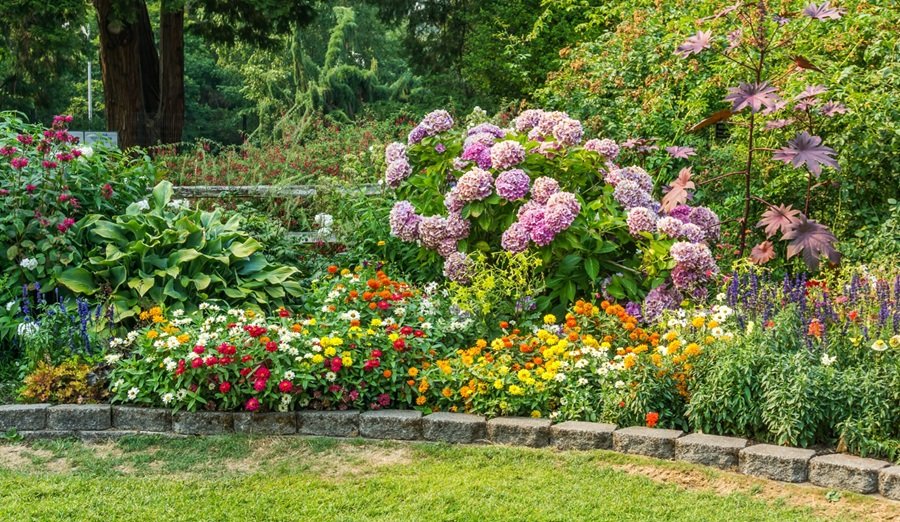

Introduction: Fine Gardening
Fine Gardening is extra than certainly planting flora or developing vegetables — it’s far the artwork and generation of making a visually lovable, wholesome, and sustainable garden. It combines creativity, horticultural understanding, panorama planning, and cautious maintenance to offer outside spaces which may be each functional and exquisite.
Whether you’ve got an outside, terrace, balcony, or small town place, fine gardening lets in redecorate ordinary areas into non violent inexperienced environments filled with lifestyles and color.
In this comprehensive guide, you can look at the whole lot about splendid gardening — from making plans and formatting thoughts to plant care, devices, seasonal renovation, and expert-degree strategies.
What Is Fine Gardening?
Fine gardening refers to super gardening practices centered on aesthetics, plant health, and thoughtful layout. Unlike fundamental gardening, it emphasizes:
- Plant harmony and coloration combos
- Proper spacing and shape
- Soil health and sustainability
- Seasonal making plans
- Long-term lawn beauty
Fine gardening blends panorama layout + horticulture + imaginative creativity.
Key Characteristics of Fine Gardening
- Balanced plant arrangement
- Healthy soil management
- Eco-high-quality practices
- Seasonal blooming cycles
- Attention to element
Benefits of Fine Gardening
Fine gardening gives physical, mental, and environmental blessings.
1. Improves Mental Well-Being
Gardening reduces stress, anxiety, and improves temper via interaction with nature.
2. Enhances Property Value
A properly-designed lawn notably will grow domestic attraction and resale price.
3. Supports Biodiversity
Gardens trap pollinators like bees, butterflies, and birds.
4. Promotes Sustainable Living
Fine gardening encourages composting, water conservation, and natural strategies.
Principles of Fine Garden Design
A beautiful garden follows layout thoughts similar to indoors design.
1. Balance
Symmetrical or asymmetrical plant arrangements create seen harmony.
2. Unity
All lawn elements should look related through color, texture, or subject matter.
3. Contrast
Mix plant shapes, heights, and hues for interest.
4. Proportion
Large plants want to now not weigh down smaller regions.
5. Rhythm
Repeating vegetation or colors courses the viewer’s eye obviously.
Types of Fine Gardens
| Garden Type | Description | Best For |
|---|---|---|
| Formal Garden | Symmetrical layouts and structured plants | Large homes |
| Cottage Garden | Natural, colorful, relaxed design | Flower lovers |
| Modern Garden | Minimalist and geometric style | Urban homes |
| Wildlife Garden | Supports birds and insects | Eco gardeners |
| Kitchen Garden | Vegetables and herbs | Sustainable living |
| Terrace Garden | Container-based gardening | Apartments |
Choosing the Right Plants for Fine Gardening
Plant choice is the foundation of best gardening.
Flowering Plants
- Roses
- Lavender
- Petunia
- Marigold
- Hibiscus
Structural Plants
- Boxwood
- Bamboo
- Ficus
- Palm kinds
Ground Covers
- Moss
- Creeping thyme
- Grass types
Plant Selection Tips
- Choose weather-suitable flowers
- Mix evergreen and seasonal vegetation
- Consider sunlight hours exposure
- Plan 12 months-spherical blooms
Soil Preparation for Fine Gardening
Healthy soil equals healthy plants.
Essential Soil Components
- Organic rely
- Minerals
- Water retention
- Air circulation
Ideal Soil Mix
| Component | Percentage | Purpose |
|---|---|---|
| Garden Soil | 40% | Structure |
| Compost | 30% | Nutrients |
| Sand | 20% | Drainage |
| Cocopeat | 10% | Moisture retention |
Soil Improvement Methods
- Composting
- Mulching
- Vermicomposting
- Crop rotation
Watering Techniques in Fine Gardening
Overwatering is truly one of the most vital gardening errors.
Best Watering Practices
- Water early morning
- Use drip irrigation
- Avoid watering leaves at night time
- Check soil moisture earlier than watering
| Plant Type | Water Frequency |
|---|---|
| Succulents | Every 7–10 days |
| Flowering Plants | 2–3 times weekly |
| Vegetables | Daily (light watering) |
| Indoor Plants | Weekly |
Importance of Sunlight
Plants need sunlight for photosynthesis.
| Sunlight Type | Hours Needed | Suitable Plants |
|---|---|---|
| Full Sun | 6–8 hours | Roses, vegetables |
| Partial Sun | 3–5 hours | Herbs |
| Shade | 1–3 hours | Ferns, moss |
Essential Tools for Fine Gardening
An incredible gardener makes use of the right system for precision artwork.
- Hand trowel
- Pruning shears
- Watering can
- Garden fork
- Gloves
- Spray bottle
- Soil tester
| Tool | Use |
|---|---|
| Pruner | Cutting branches |
| Trowel | Planting |
| Rake | Soil leveling |
| Hose | Watering |
| Sprayer | Pest control |
Seasonal Gardening Guide
Fine gardening calls for seasonal making plans.
Spring
- Plant plants
- Fertilize soil
- Prune shrubs
Summer
- Mulching
- Regular watering
- Pest manipulate
Autumn
- Soil training
- Plant bulbs
Winter
- Protect flora
- Reduce watering
| Season | Main Activity |
|---|---|
| Spring | Growth |
| Summer | Maintenance |
| Autumn | Preparation |
| Winter | Protection |
Organic Pest Control Methods
Avoid harsh chemical compounds every time feasible.
Natural Solutions
- Neem oil spray
- Soap water answer
- Companion planting
- Garlic spray
| Pest | Natural Control |
|---|---|
| Aphids | Neem oil |
| Snails | Eggshell barrier |
| Whiteflies | Sticky traps |
| Caterpillars | Hand removal |
Fine Gardening Design Ideas
1. Layered Planting
Tall plants again, medium in center, quick on the front.
2. Color-Themed Gardens
Choose one colour palette (white garden, pastel garden, and so forth.).
3. Pathway Gardens
Stone or gravel paths enhance form.
4. Container Styling
Use decorative pots with coordinated colorings.
5. Water Features
Small fountains upload splendor and quietness.
Sustainable Fine Gardening Practices
- Rainwater harvesting
- Compost kitchen waste
- Use native vegetation
- Reduce chemical fertilizers
- Encourage pollinators
Sustainable gardening protects the environment whilst keeping splendor.
Common Mistakes in Fine Gardening
- Overcrowding plants
- Ignoring soil best
- Overwatering
- Poor sunlight hours making plans
- Using random plant mixtures
Expert Tips for Professional-Level Gardening
1.Plan before planting
2.Invest in first-rate soil
3.Prune often
4.Observe plant behavior
5.Keep a gardening journal
6.Rotate vegetation seasonally
Fine Gardening for Small Spaces
Even balconies can end up as remarkable gardens.
Ideas:
- Vertical gardening
- Hanging baskets
- Wall planters
- Herb corners
- Mini water capabilities
Fine Gardening Maintenance Schedule
| Task | Frequency |
|---|---|
| Watering | Daily/Weekly |
| Fertilizing | Monthly |
| Pruning | Every 2–3 months |
| Pest Check | Weekly |
| Soil Renewal | Every 6 months |
Future Trends in Fine Gardening
- Smart irrigation structures
- Indoor jungle aesthetics
- Native plant landscaping
- Eco-friendly fertilizers
- Climate-resilient gardening
FAQs About Fine Gardening
1. What is the difference between gardening and nice gardening?
Fine garden focuses on format, aesthetics, and plant health, even as regular garden particularly focuses on developing flora.
2. Is splendid gardening appropriate for beginners?
Yes. Beginners can start with small field gardens and regularly examine superior strategies.
3. How frequently ought to I fertilize flowers?
Generally as soon as a month the usage of organic fertilizer is right.
4. Which plant life is fine for excellent gardening?
Roses, lavender, hydrangea, herbs, decorative grasses, and seasonal flora work nicely.
5. Can nice gardening be accomplished in flats?
Absolutely. Balcony and vertical gardening make high-quality gardening possible in small areas.
6. Is organic gardening a part of quality gardening?
Yes, sustainable and natural practices are middle ideas of first-class gardening.
Conclusion
Fine gardening is a worthwhile mixture of creativity, staying power, and scientific understanding. It transforms outside and indoor areas into residing works of artwork whilst promoting sustainability and nicely-being.
By specializing in proper layout, wholesome soil, clever plant preference, and everyday renovation, all people can create a lovely garden that thrives year-round.
Start small, test with plant life, check nature carefully, and regularly refine your gardening talents — because first-rate gardening isn’t the simplest of interests; it is a lifelong adventure within the course of harmony with nature.