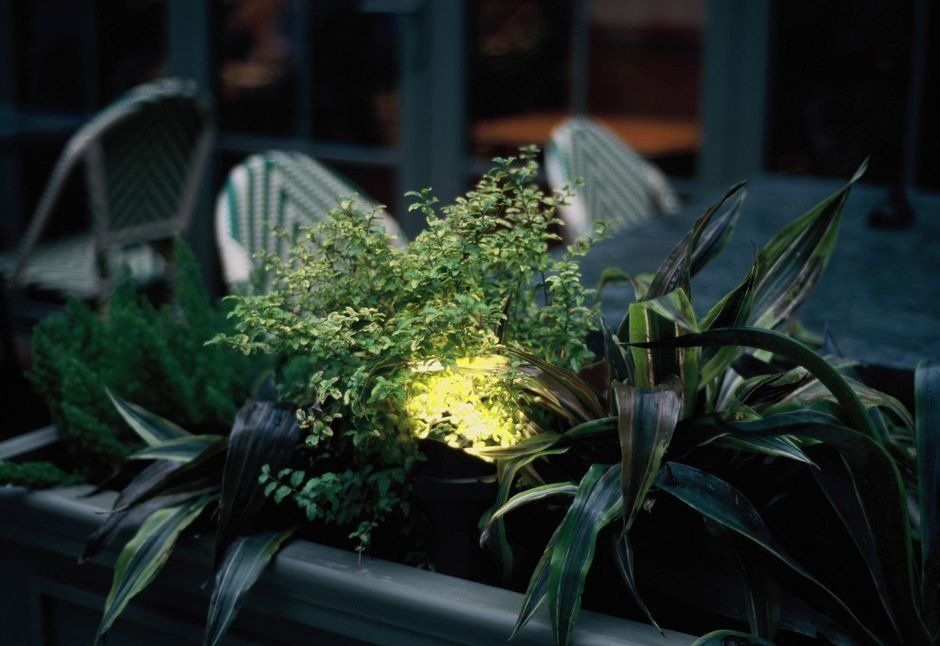

A garden can feel like a different space after sunset. Paths disappear, planting beds lose their shape, and a welcoming patio may become difficult to use. Thoughtful outdoor lighting changes that experience. It helps people move around safely, makes favorite features visible, and creates an atmosphere that invites you to spend more time outside.
Begin With the Way You Use the Garden
Before choosing lights, walk through the yard after dark. Notice where you need clearer visibility, where guests might miss a step, and which areas you would like to use in the evening. A side path may need modest, even illumination, while a dining area may benefit from softer light that makes conversation comfortable.
Think about the route from the driveway to the front door, the path between the kitchen and patio, and any steps or changes in level. These everyday movements should guide the layout.
Highlight a Few Features Instead of Everything
The most effective garden lighting leaves room for darkness. When every tree, shrub, and border is illuminated, the eye has nowhere to rest, and the space can look flat. Choose a few features with interesting shapes or textures and let contrast create depth.
Trees often look striking when light is directed gently up the trunk and into the canopy. Ornamental grasses can cast delicate shadows, while a textured wall or pergola can become a natural focal point. If you are planning landscape lighting, begin with two or three features you want to notice at night, then build the rest of the layout around them.
Build a Balanced Effect With Layers
A single bright floodlight may make a yard visible, but it can also create glare and flatten the landscape. A more inviting plan combines different types of light. Ambient lighting provides general visibility, task lighting supports activities such as cooking or walking, and accent lighting highlights selected details.
For example, low path lights can guide movement while a shielded wall light brightens the patio. A small spotlight might bring out the shape of a tree or the texture of a stone feature. Each source has a distinct job, so the garden feels comfortable rather than washed out.
Make Walkways, Steps, and Entrances Easy to Read
Safety lighting should make changes in the ground level obvious without dazzling anyone. Place fixtures so they illuminate the walking surface, rather than shining directly into a person’s eyes. Steps need enough light to distinguish each tread, and paths should have consistent coverage so there are no confusing dark gaps.
Spacing matters. Lights placed too far apart can leave sections difficult to see; fixtures packed too closely may create an overly bright runway effect.
Choose Fixtures That Suit the Garden
Outdoor lights are part of the landscape even when switched off. Their shape, finish, and scale should complement the planting and hardscape. Simple bollards may suit a contemporary garden, while discreet bronze or copper fixtures can blend into a more natural setting.
Durability is just as important as appearance. Look for fixtures designed for outdoor exposure, with suitable weather protection and corrosion-resistant materials. Check beam direction, shielding, and color temperature before buying. Warm white light generally creates a relaxed atmosphere and brings out the natural tones of foliage, timber, and stone. Cooler light can feel stark when used across an entire garden, so reserve it for situations where it serves a clear purpose.
Use Controls to Make Lighting Smarter
Lighting does not need to stay on at full brightness all evening. Timers, photocells, motion sensors, and smart controls can match illumination to your routine. A motion sensor may be useful near a side entrance, while a timer can switch patio lights off after everyone has gone indoors. Dimmers offer flexibility when the garden changes from a practical space to an entertaining area.
Controls can also reduce wasted energy and unnecessary light. DarkSky’s Five Principles for Responsible Outdoor Lighting recommend using light only where and when it is needed, keeping brightness modest, directing beams carefully, and choosing warmer colors where possible. These principles help create a useful garden without sending excess light into neighboring properties or the night sky.
Plan for Maintenance Before Installation
Even a well-designed system needs attention. Plants grow and can block a beam; soil and mulch shift; lenses collect dirt; and fixtures may need repositioning. Leave enough access around lights so you can clean or adjust them without damaging nearby planting.
Consider irrigation when deciding where to place fittings. Regular spray can leave deposits on lenses, while poorly planned cable routes can make later gardening work difficult. Check connections and controls periodically, and review timer settings when daylight hours change.
Avoid the Mistakes That Spoil the Effect
Too much brightness is one of the most common problems. Bare bulbs, poorly aimed spotlights, and mismatched color temperatures can make a garden feel disjointed. Before adding another fixture, ask whether adjusting an existing one would solve the problem.
Aim lights carefully, use shields where needed, and choose a consistent color temperature across nearby areas. Responsible lighting is not about making the whole property shine. It is about giving each area enough light to serve its purpose.
Let the Lighting Reflect Your Lifestyle
A garden should work for the people who use it. If you often eat outside, focus on the dining table and the route between the house and patio. If you arrive home late, prioritize the driveway, entrance, and steps. Families with children or pets may need clearer visibility around lawn edges and play areas.
Start with safety, add gentle layers, highlight a few meaningful features, and choose controls that fit your routine. When every fixture has a reason to be there, the result feels cohesive: the garden is easier to navigate, more comfortable to enjoy, and just as considered at night as it is during the day.